There is no cure for PCOS (PMOS), but everyday habits matter. The WHO recommends healthy eating and physical activity for all women with the condition, alongside medical care where needed. This guide covers five realistic habits you can build one at a time and discuss with your doctor.
Key facts
- Habits support medical care; they do not replace it. Follow the plan your doctor gives you.
- Healthy eating and physical activity are recommended for everyone with the condition (WHO).
- Start small. One habit at a time is easier to keep than a complete overhaul.
- Be careful with quick fixes. No tea, powder or programme can “reverse” the condition in a few weeks.
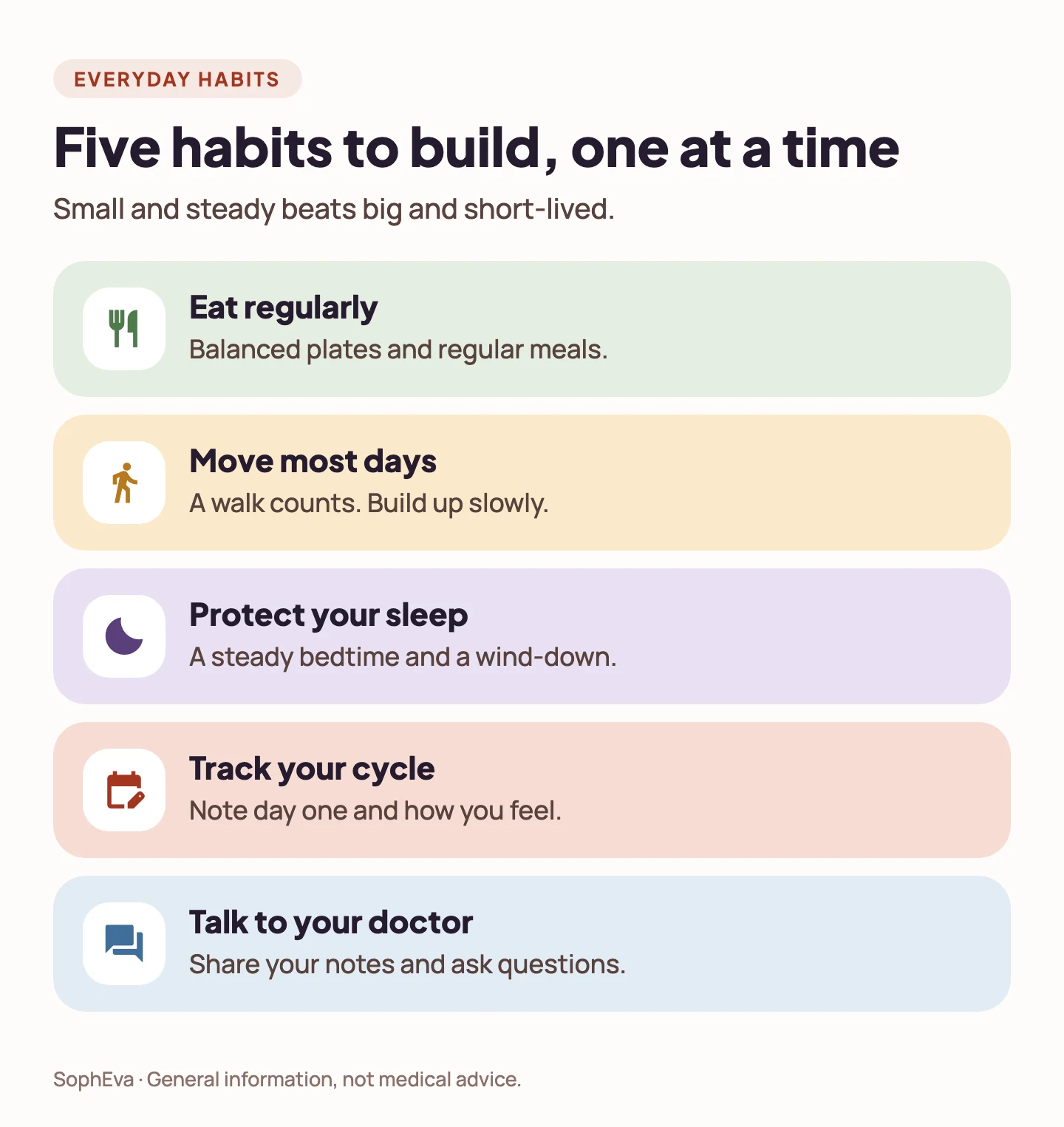
1. Eat regular, balanced meals
There is no single “PCOS diet” that works for everyone. A useful starting point is regular meals built on the balanced plate: half vegetables and fruit, a quarter whole grains and a quarter protein. Fibre-rich foods such as dal, vegetables, millets and whole grains help you feel full, and protein at each meal keeps you satisfied for longer. Crash diets and skipping meals tend to backfire.
See our balanced plate guide for a seven-day set of Indian meal ideas.
2. Move most days
For adults, the WHO recommends at least 150 minutes of moderate physical activity a week, plus muscle-strengthening on two or more days. That can sound like a lot if you are starting from zero, so begin with ten minutes of walking and build up. Strength training is especially useful because muscle helps the body use sugar more effectively.
Read about gentle movement that fits your energy for ideas on low-energy and high-energy days.
3. Protect your sleep
Poor sleep and high stress can make everything feel harder, including cravings and mood. Aim for a regular bedtime and a calming routine. If you snore loudly, wake unrefreshed or feel very sleepy in the daytime, speak to your doctor, because sleep apnoea is more common in people with the condition.
Our evening wind-down guide has a simple 90-minute routine.
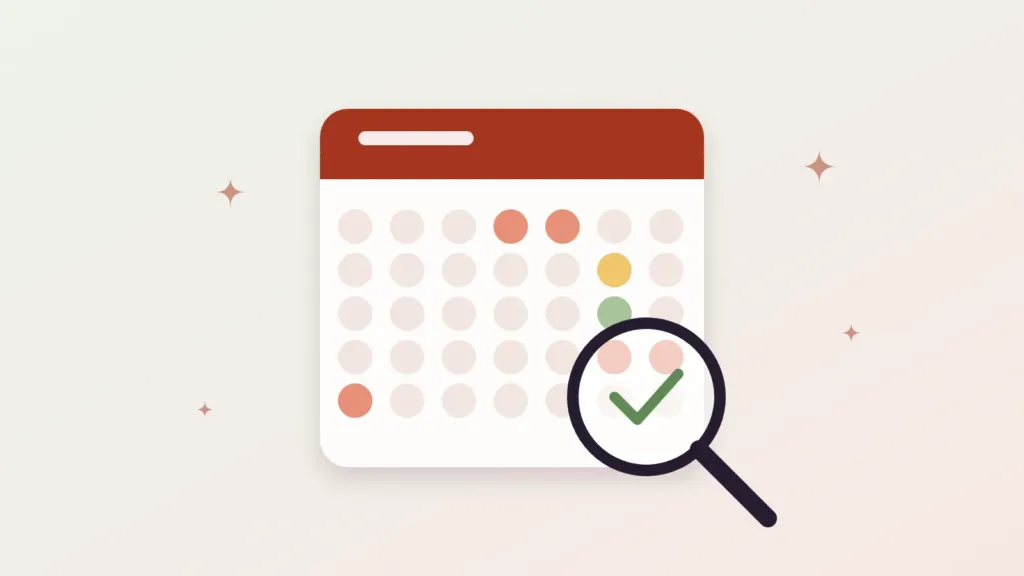
4. Track your cycle and symptoms
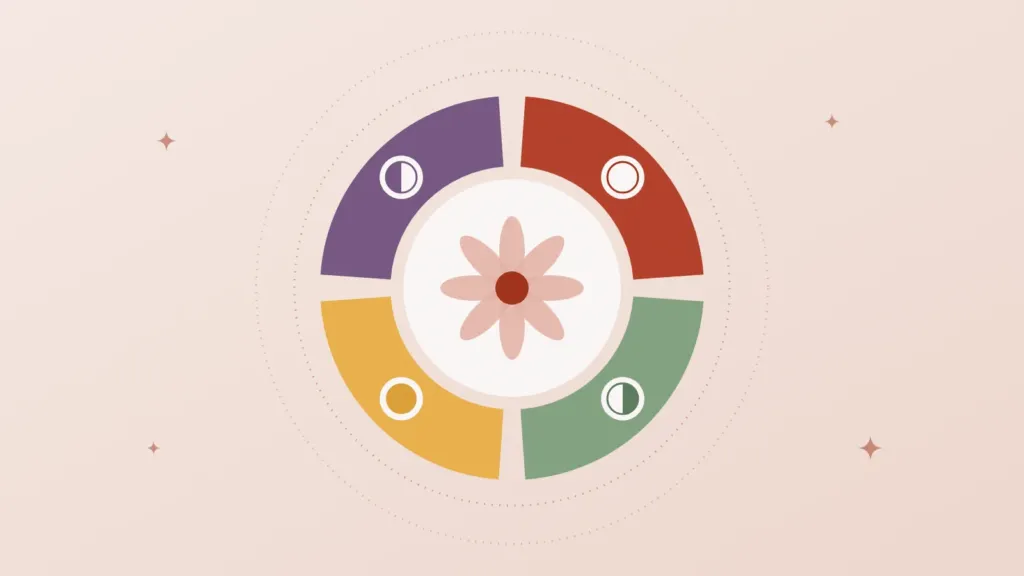
A simple record of your period dates, energy, mood and symptoms helps you and your doctor see patterns and judge whether a plan is working. Note day one of each period and add a short daily check-in. Our guide to the four phases of the menstrual cycle explains what is typical.
5. Look after your mind and ask for support
Anxiety and low mood are more common with this condition, and the wait for a diagnosis can be draining. Talk to someone you trust, and tell your doctor if you feel low, anxious or overwhelmed. Support groups and counselling can help, and asking for help is a strength.
Be careful with quick fixes and supplements
Online, you will find many claims about “reversing” the condition with detox teas, extreme diets or special powders. Be sceptical. If you are thinking of taking a supplement, talk to your doctor first, especially if you take other medicines or are trying to conceive. Learn how to check a product with our guide to reading a supplement label.
A gentle starter week
- Days 1–2Plan three balanced plates and take a ten-minute walk after one meal.
- Days 3–4Add a second walk and set a regular bedtime.
- Days 5–6Mark your cycle dates and write down how you feel each day.
- Day 7Review the week. Choose which habit felt easiest and keep it. Note any questions for your doctor.
Frequently asked questions
Can lifestyle changes cure PCOS?
No. There is no cure, but healthy habits can improve how you feel and support long-term health alongside medical care.
Do I need to lose weight?
Not everyone does. If weight is a concern, your doctor can advise on realistic goals. The focus is on health habits, not a number on the scale.
Is there a best diet for PCOS?
There is no single best diet. Balanced, regular meals with plenty of fibre, protein and vegetables work for most people. Your doctor or a dietitian can personalise this.
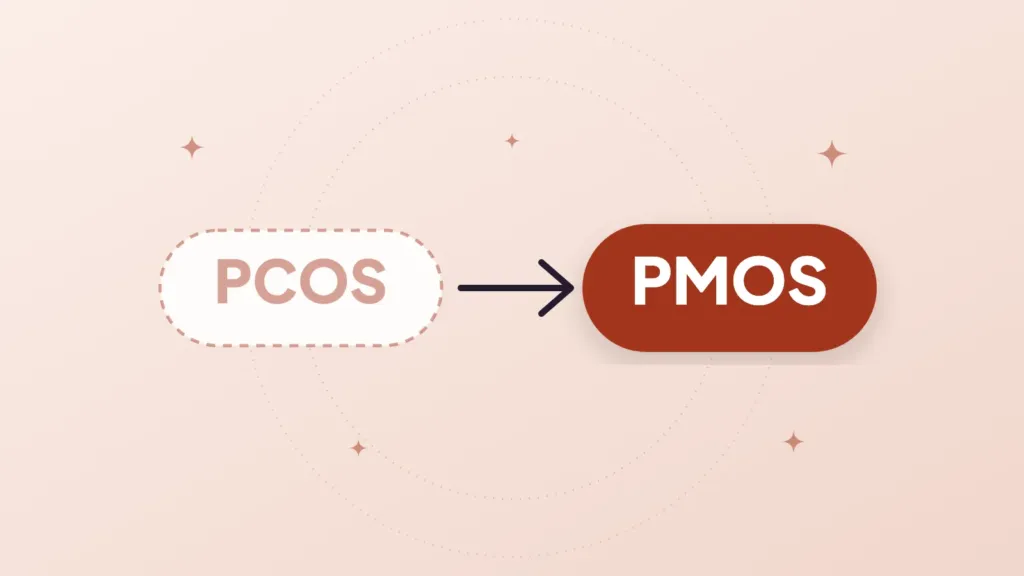
Is PCOS the same as PMOS?
Yes. PMOS is the new name for PCOS. Read our explainer on what the new name means.
Keep reading
PCOS (PMOS) symptoms, diagnosis and when to see a doctor
PCOS is now PMOS: what the new name means
Building a morning routine you can actually keep
Sources
This article is general educational information written by the SophEva editorial team. It does not diagnose, treat or replace advice from a qualified healthcare professional. Last reviewed September 2026.
Disclaimer: This information is for educational purposes only and does not constitute medical advice. Always consult with a healthcare professional before starting any new supplement or lifestyle regimen.