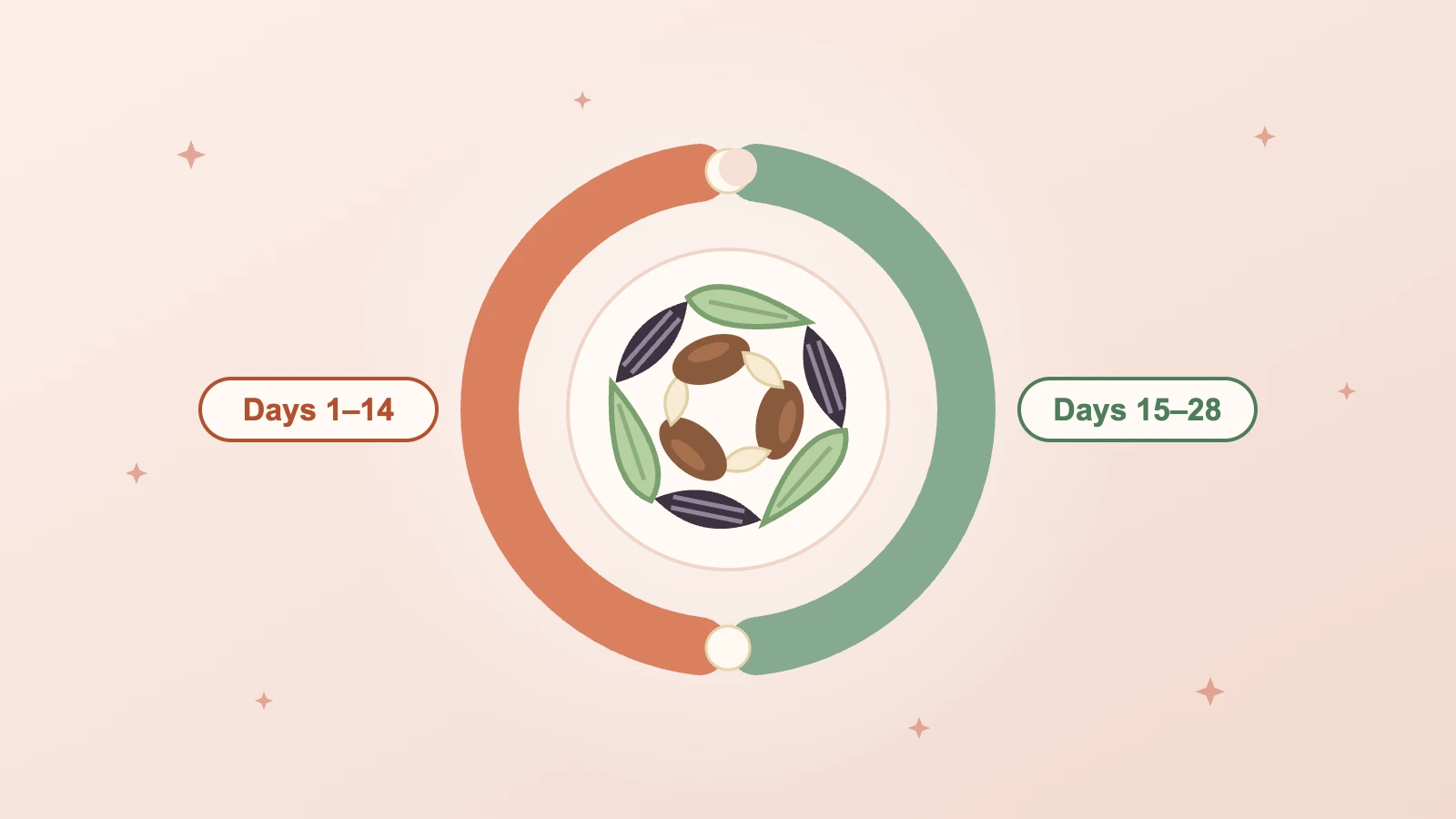
Seed cycling means eating different seeds in each half of your menstrual cycle: usually pumpkin and flax first, then sunflower and sesame. It is popular, simple and inexpensive. Here is how to do it, what the seeds provide, and what research can and cannot tell us.
Key facts
- Days 1–14 (follicular phase): 1 tablespoon each of ground flax and pumpkin seeds a day.
- Days 15–28 (luteal phase): 1 tablespoon each of ground sunflower and sesame seeds a day.
- The evidence: no clinical trial has tested seed cycling as a method. Some individual seeds, especially flax, have been studied, but the idea that seeds “balance” specific hormones in each phase is not proven.
- Still useful: seeds add fibre, healthy fats, protein, zinc, magnesium and vitamin E to everyday meals.
How seed cycling works
Seed cycling follows the two halves of the menstrual cycle. If you are unfamiliar with them, our plain-language guide to the four phases of the menstrual cycle explains each one.
- Day 1 to ovulation: flax + pumpkinStart on the first day of your period. Eat 1 tablespoon of ground flaxseed and 1 tablespoon of pumpkin seeds every day.
- Ovulation to your next period: sunflower + sesameSwitch around day 15 of a 28-day cycle, or when you think you have ovulated. Eat 1 tablespoon each of sunflower and sesame seeds every day.
- Start again on day 1When your next period begins, go back to flax and pumpkin.
What if my periods are irregular?
Many women who are interested in seed cycling have irregular or absent periods, including women with PCOS (PMOS). There are two common approaches:
- Follow the moon or a fixed calendar: treat the new moon (or any chosen date) as day 1 and switch every 14 days. This simply gives you a routine to follow.
- Follow your own cycle when it comes: switch back to flax and pumpkin whenever a period starts, however long the gap.
Either is fine as an eating routine. What is important is not to let a seed routine delay seeing a doctor about irregular periods. Cycles that are regularly longer than 35 days, or periods that stop for three months or more, deserve a proper check.
What the seeds provide
- Flaxseed: fibre, plant omega-3 fat (ALA) and lignans, plant compounds that are being studied for their interaction with oestrogen. Eat it ground; whole seeds often pass through undigested.
- Pumpkin seeds: zinc, magnesium, iron and protein.
- Sunflower seeds: vitamin E and selenium.
- Sesame seeds: calcium, healthy fats and lignans.
Two tablespoons of seeds a day is a meaningful nutritional addition, especially for diets that are low in fibre or rely on refined grains.
What does the research say?
There is no published clinical trial of seed cycling as a whole method, and no good evidence that eating particular seeds in particular weeks changes oestrogen or progesterone in the way the method claims. The idea mainly comes from wellness practice, not research.
Individual seeds have been studied. The best-known study is a small 1993 trial in which women ate ground flaxseed daily for three cycles. It reported more consistent ovulation and a longer luteal phase than without flaxseed. It was small and decades old, and flax was eaten throughout the cycle, not only in the first half. Other research on flax, sesame and seed lignans has looked at hormone markers and metabolic health, with mixed results.
So, honestly: seed cycling is a nutritious habit with a plausible rationale and very little direct evidence. It is reasonable to try as part of a balanced diet, but it should not be presented as a hormone treatment.
Where seed cycling helps most
A practical benefit is the routine itself. A daily, cycle-linked habit makes you more aware of where you are in your cycle, which also makes it easier to notice changes worth discussing with a doctor.
Easy ways to eat your seeds
- Stir into curd, raita or overnight oats.
- Sprinkle on poha, upma, salads or sabzi.
- Blend into a smoothie or chaas.
- Mix into atta for rotis or parathas.
- Make laddoos with dates and a little ghee.
Grind flax fresh, or store ground flax in the fridge, because its oils go stale quickly. Lightly roasting the other seeds improves their flavour.
Who should be careful?
- Anyone with a seed or sesame allergy (sesame allergy can be severe).
- People with swallowing difficulties or bowel conditions, who should start slowly and drink enough water, as flax is high in fibre.
- Pregnant or breastfeeding women, and anyone on blood-thinning or hormonal medicine, who should check with their doctor about large amounts of flax.
Seed cycling with SophEva
The SophEva Rituals Kit includes two ready-to-eat roasted seed mixes: pumpkin and flax for days 1–14, and sunflower and sesame for days 15–28, with the daily schedule printed in the habit book. You can follow the same routine with seeds from your kitchen; the kit just removes the measuring and remembering. It is part of a broader daily routine and is not a treatment for any condition.
Frequently asked questions
Does seed cycling balance hormones?
There is no good evidence that it does. Seeds are nutritious, and some seed compounds are being studied, but seed cycling has not been shown to change hormone levels in the way often claimed.
Can seed cycling help with PCOS (PMOS)?
It has not been studied in PCOS. It can be part of a balanced diet, which is recommended for everyone with PCOS, alongside the care your doctor advises.
How long should I try seed cycling?
Wellness practitioners usually suggest at least three cycles. If you are tracking a symptom, record it alongside your cycle so you can see any pattern.
Can I eat all four seeds every day instead?
Yes. Nutritionally, eating a mix of seeds daily provides similar nutrients. The cycling is a routine, not a nutritional requirement.
Should the seeds be raw or roasted?
Either. Flax should be ground. Light roasting improves taste; avoid heavily salted or fried seeds.
Keep reading
PCOS (PMOS): the complete guide
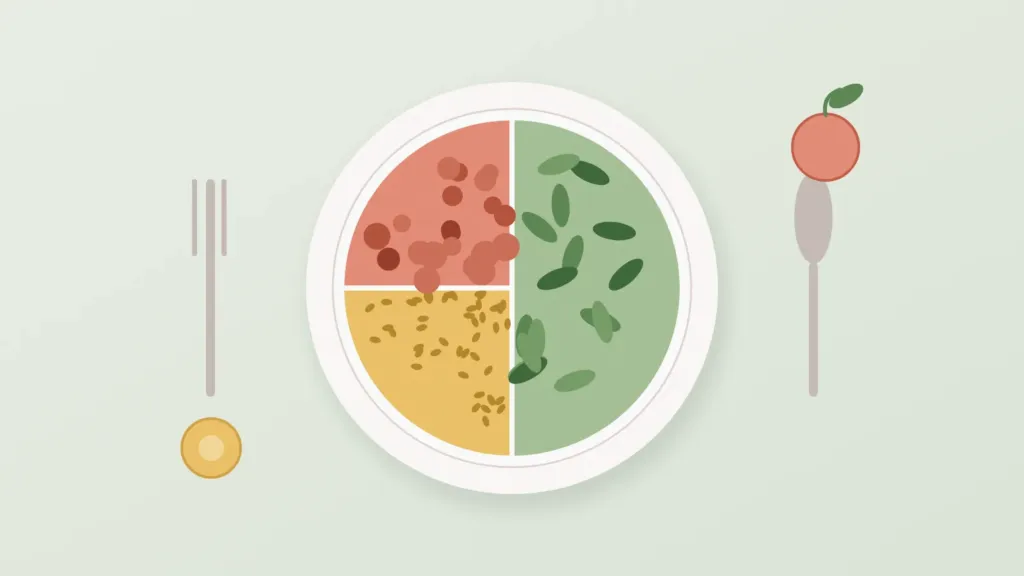
The balanced plate: a practical guide to everyday nutrition
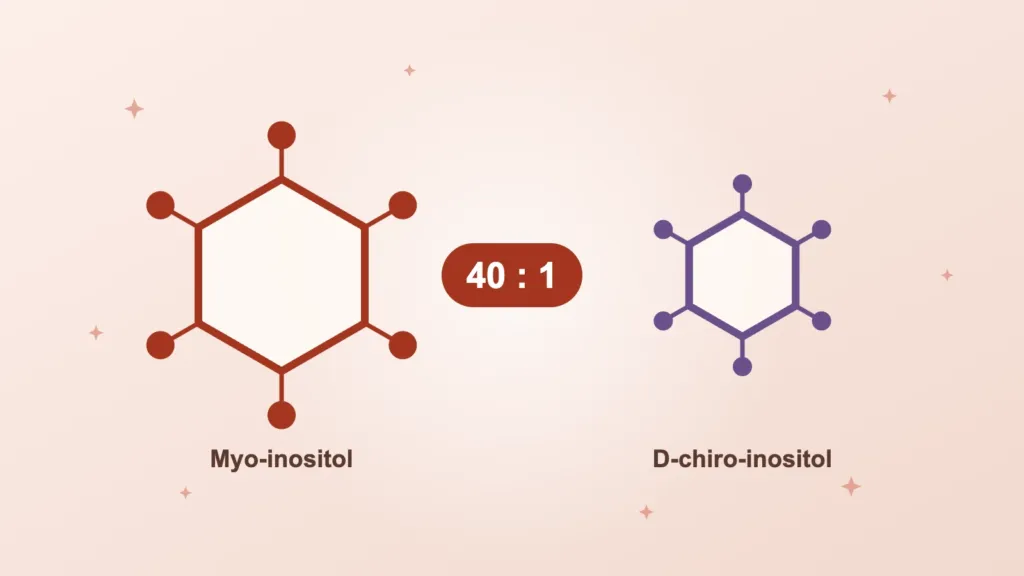
Myo-inositol and D-chiro-inositol: what the 40:1 ratio means
Want a routine you can actually keep?
The SophEva Rituals Kit brings it together: a morning and an evening sachet, seed cycling mixes, guided yoga and a 90-day habit book, with a free doctor consultation.
Disclaimer: This information is for educational purposes only and does not constitute medical advice. Always consult with a healthcare professional before starting any new supplement or lifestyle regimen.